• Home
  • Our Story
  • About Solidwool
  • Sheet Material
  • Shop
  • News
  • Blog
  • Gallery
  • Stockists
  • FAQs
  • Contact
  • Newsletter
  • Menu

Solidwool

A new way of working with wool
  • Home
  • Our Story
  • About Solidwool
  • Sheet Material
  • Shop
  • News
  • Blog
  • Gallery
  • Stockists
  • FAQs
  • Contact
  • Newsletter

The Making of Solidwool

September 20, 2022

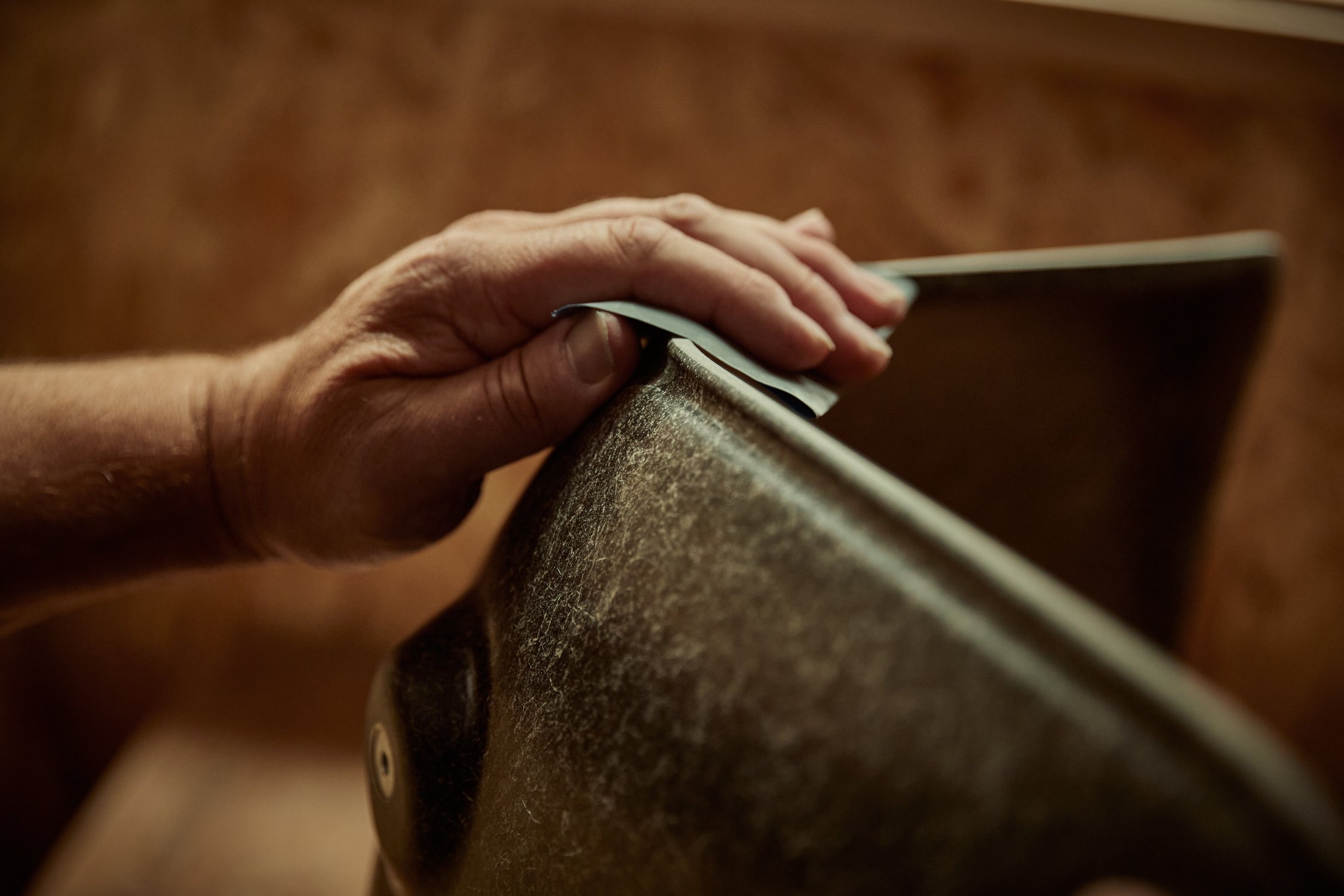
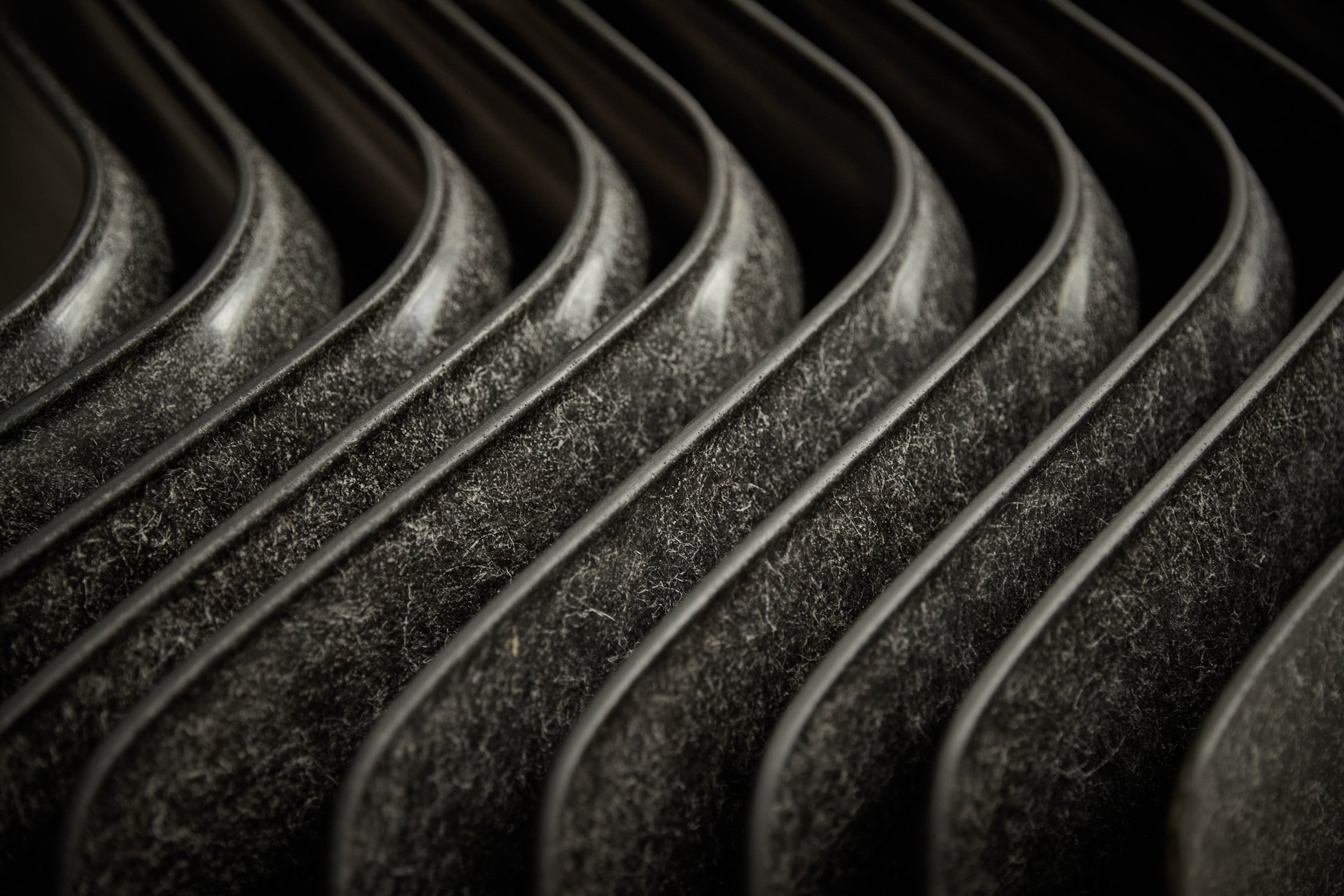
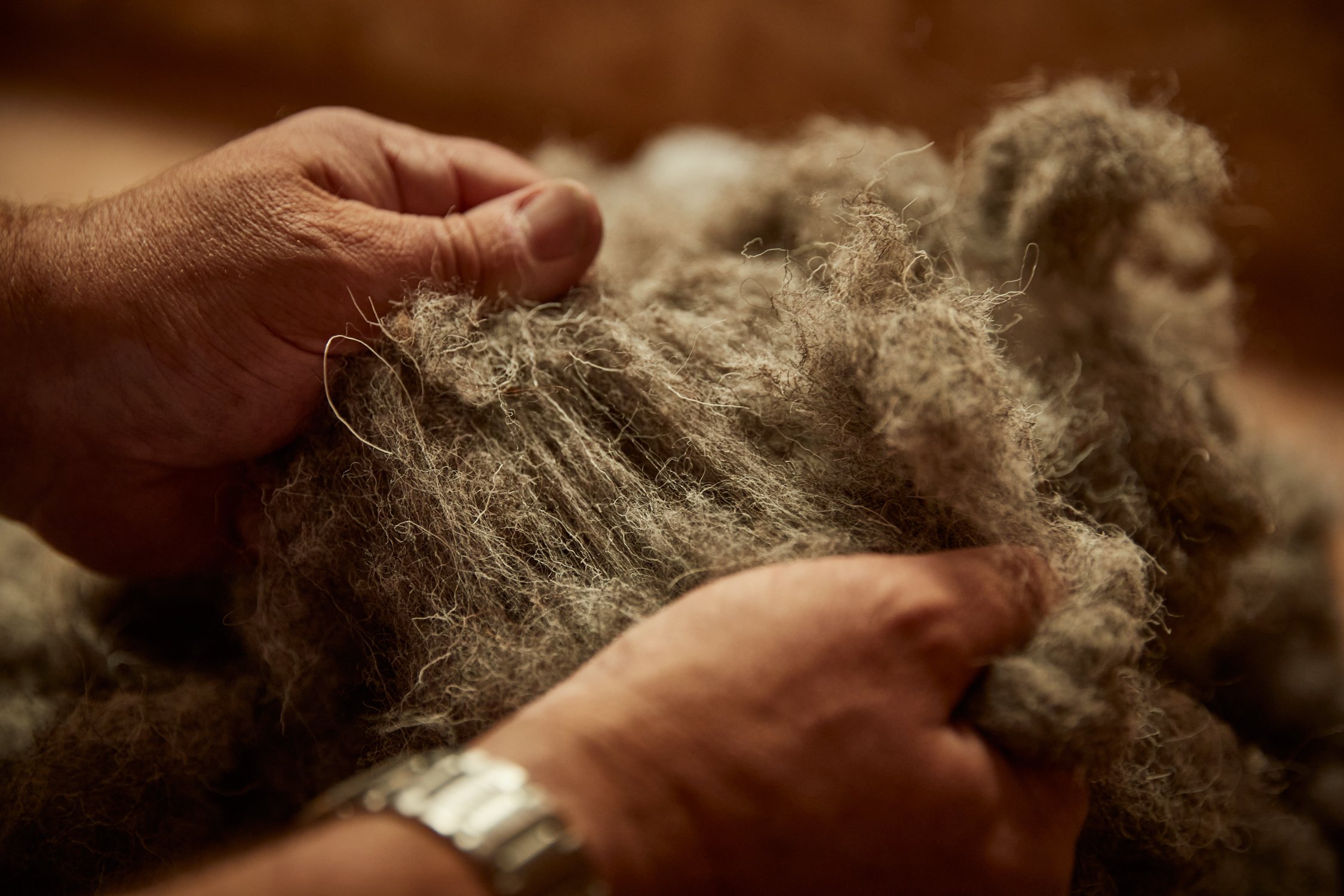
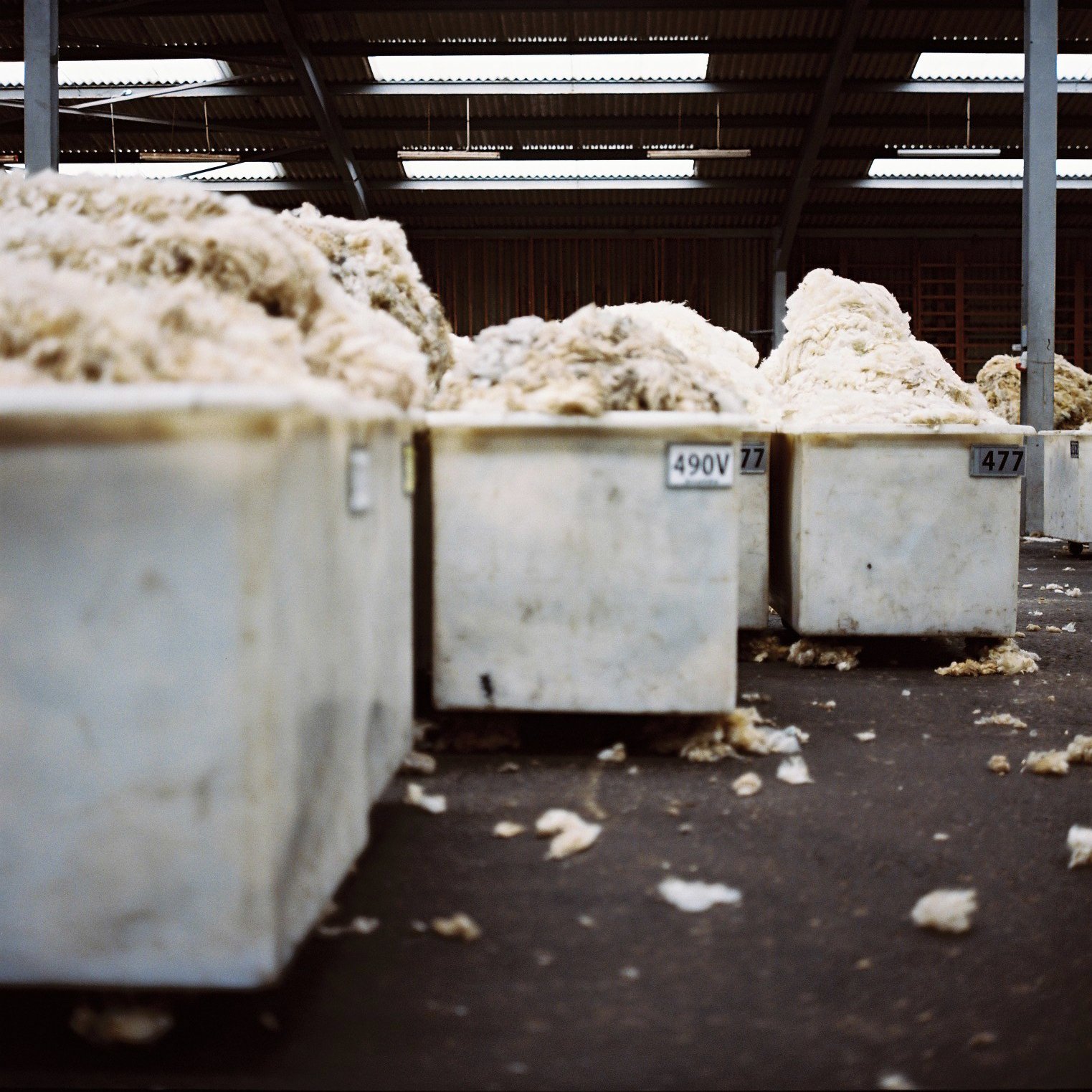
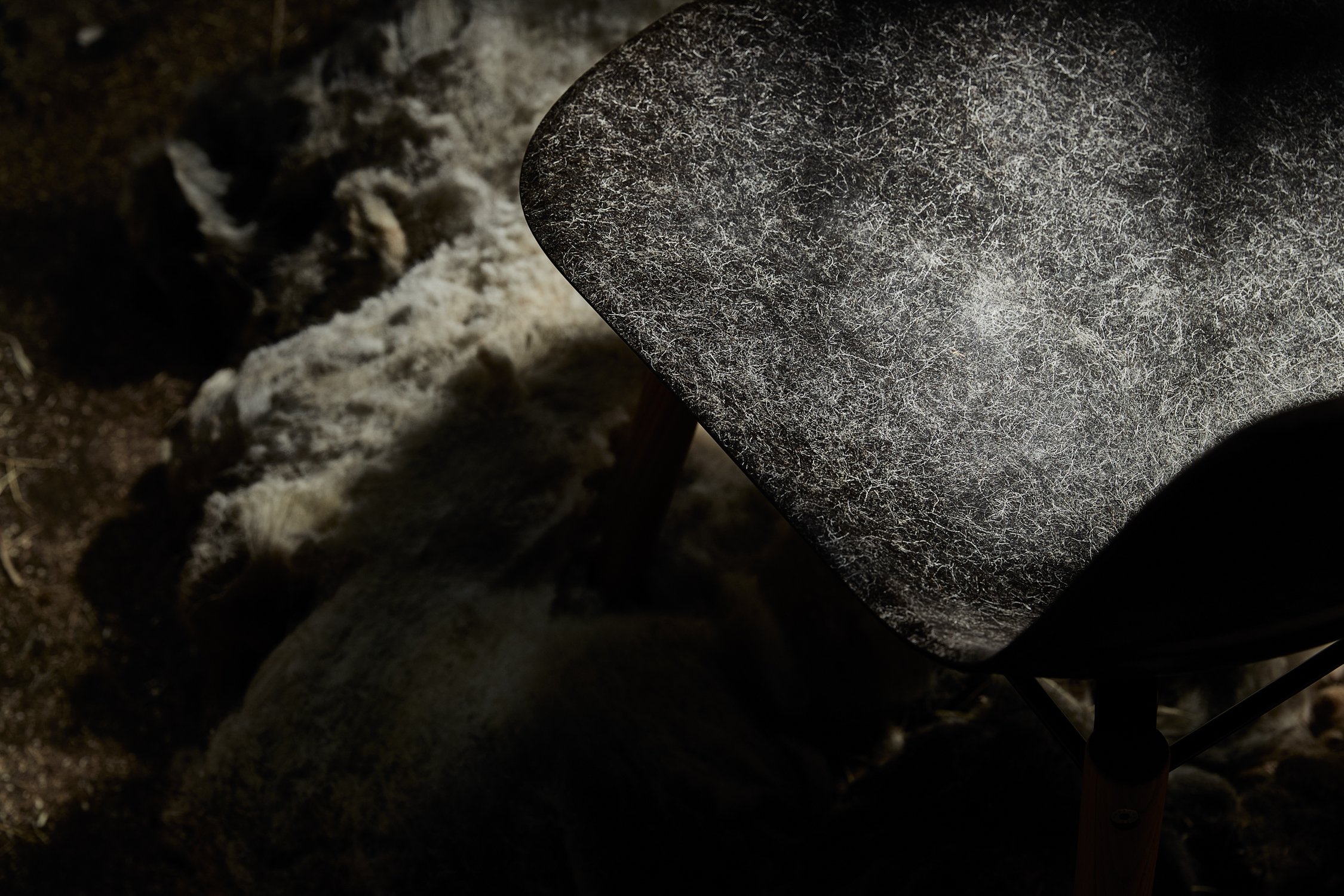
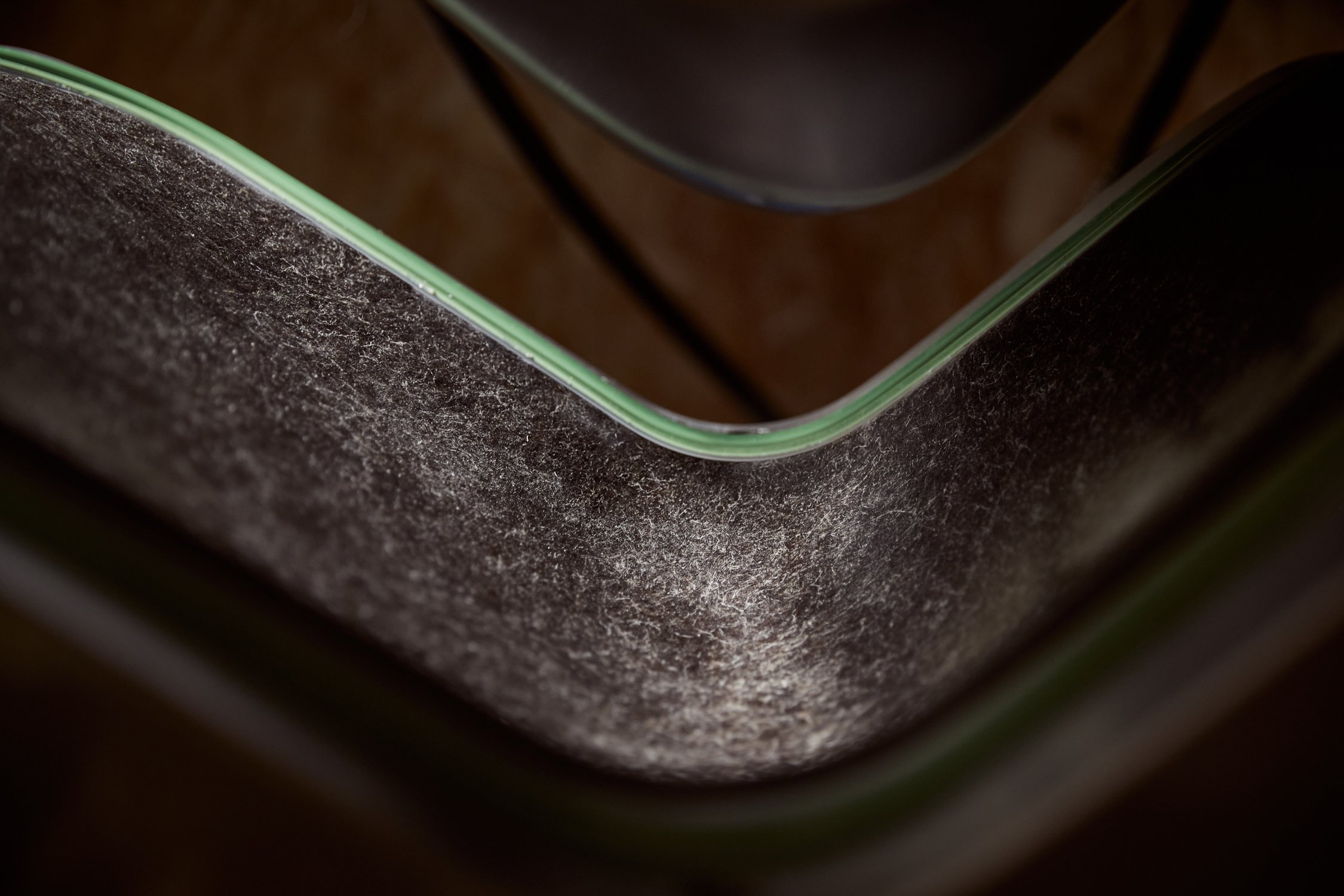
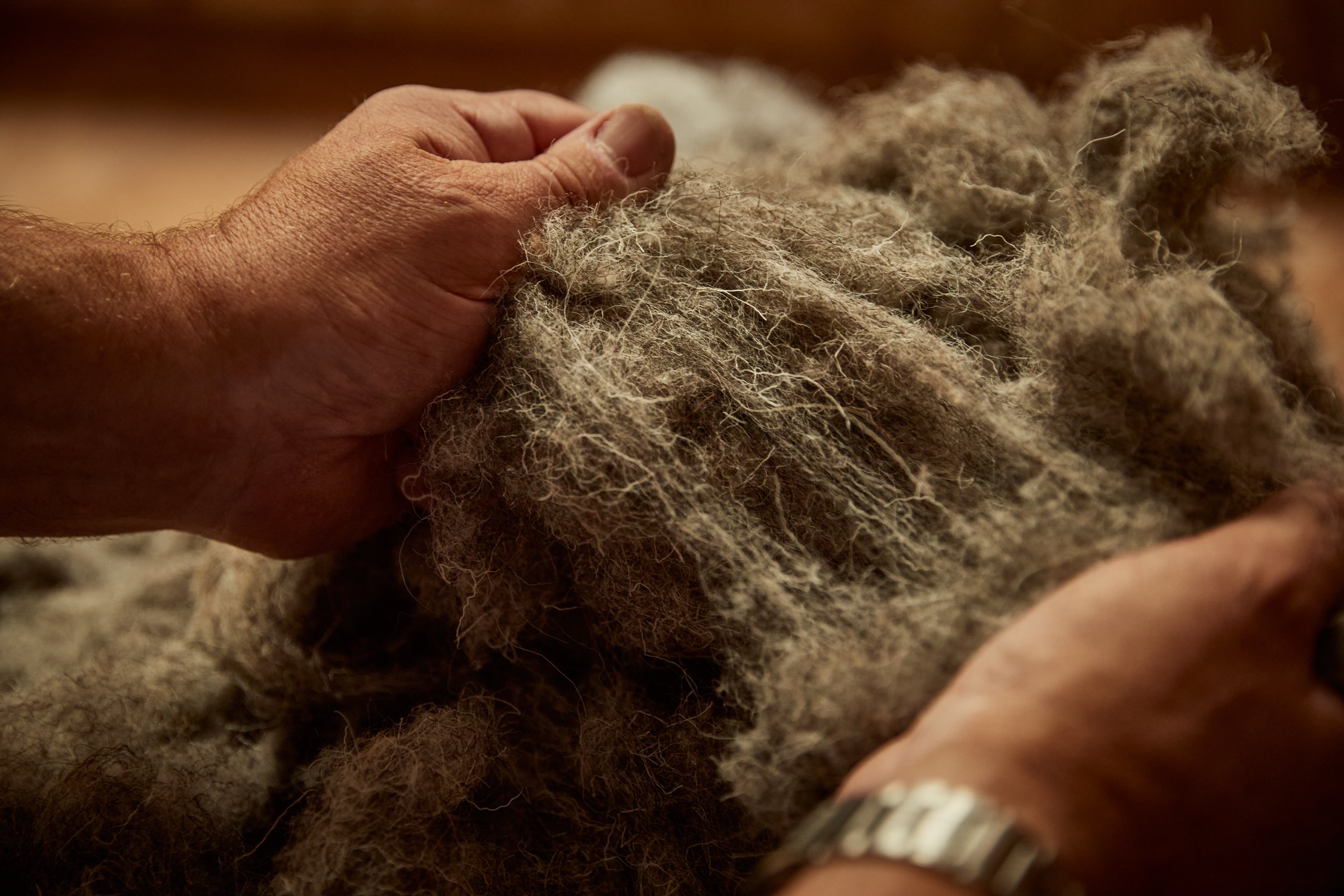
When explaining what goes into Solidwool, it may seem like the process and creation of this incredible composite is fairly simple - wool and bio-resin. However, it has taken years of trials (and errors) and finding just the right balance to make Soldwool what it is today; a complex, unique material that turns the way we work with wool on its head. It is now stronger and lighter, using twice as much wool with half the amount of bio-resin. Better for Solidwool and better for our planet.
Solidwool_Making-Hembury_015 MR.jpg
Solidwool_Making-Hembury_021 MR.jpg
Solidwool_Making-Hembury_007 MR.jpg
Solidwool_Making-Hembury_025 MR.jpg

Our beginnings came from finding a way to use design for good - and to showcase the remarkable beauty and unique visuality of Solidwool. So when it comes to its creation, we have a dedicated and skilled team who have perfected the art of making this unique material.

Made in Devon, Solidwool is expertly created using a number of complex quantities and precise methods. At every stage of its process our team shares a consciousness and sensitivity towards the value of craft, the appreciation of materials and how these are key in the values and creation of Solidwool. 

Solidwool_Making-Hembury_018.jpg
Solidwool_Making-Hembury_005 MR.jpg

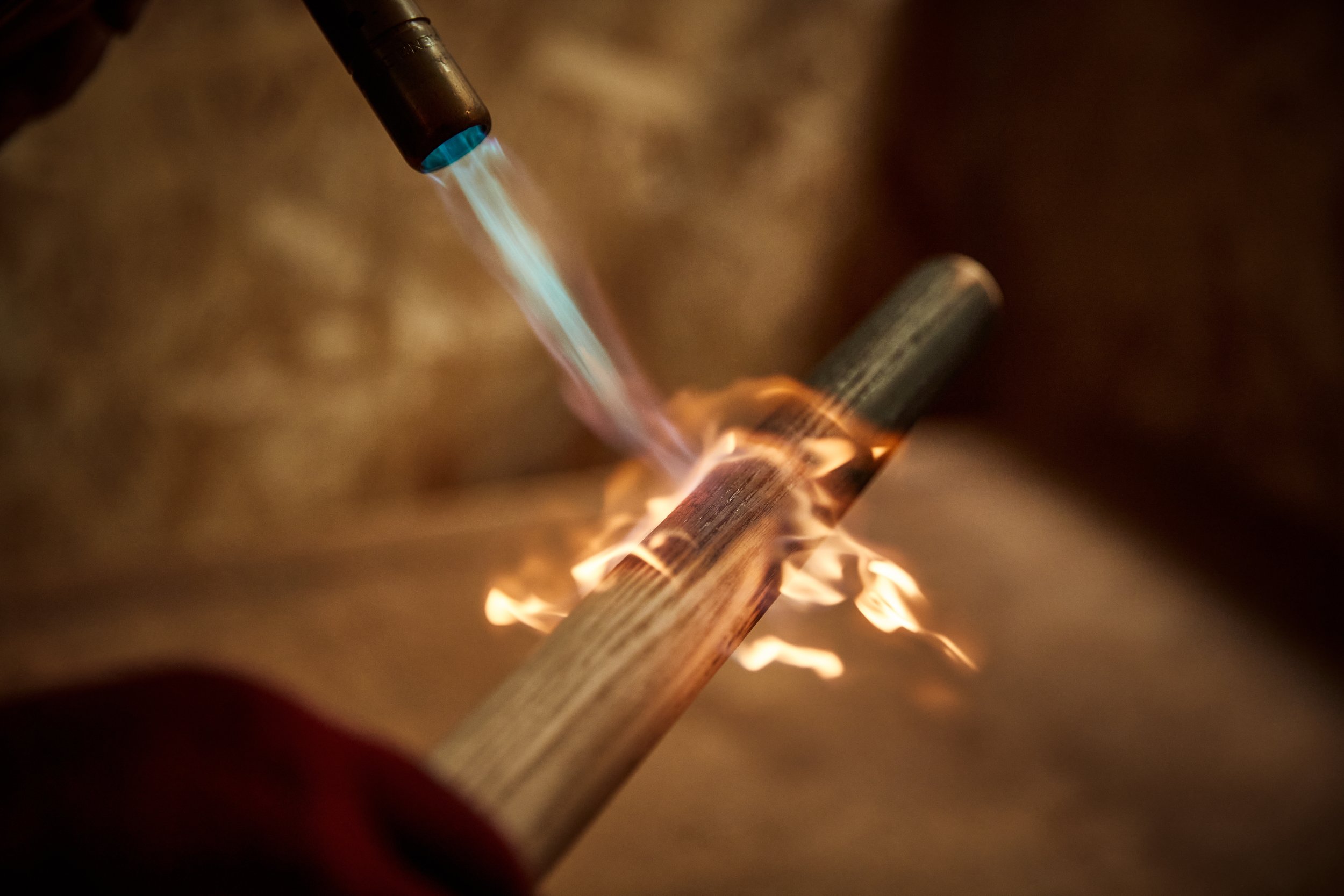
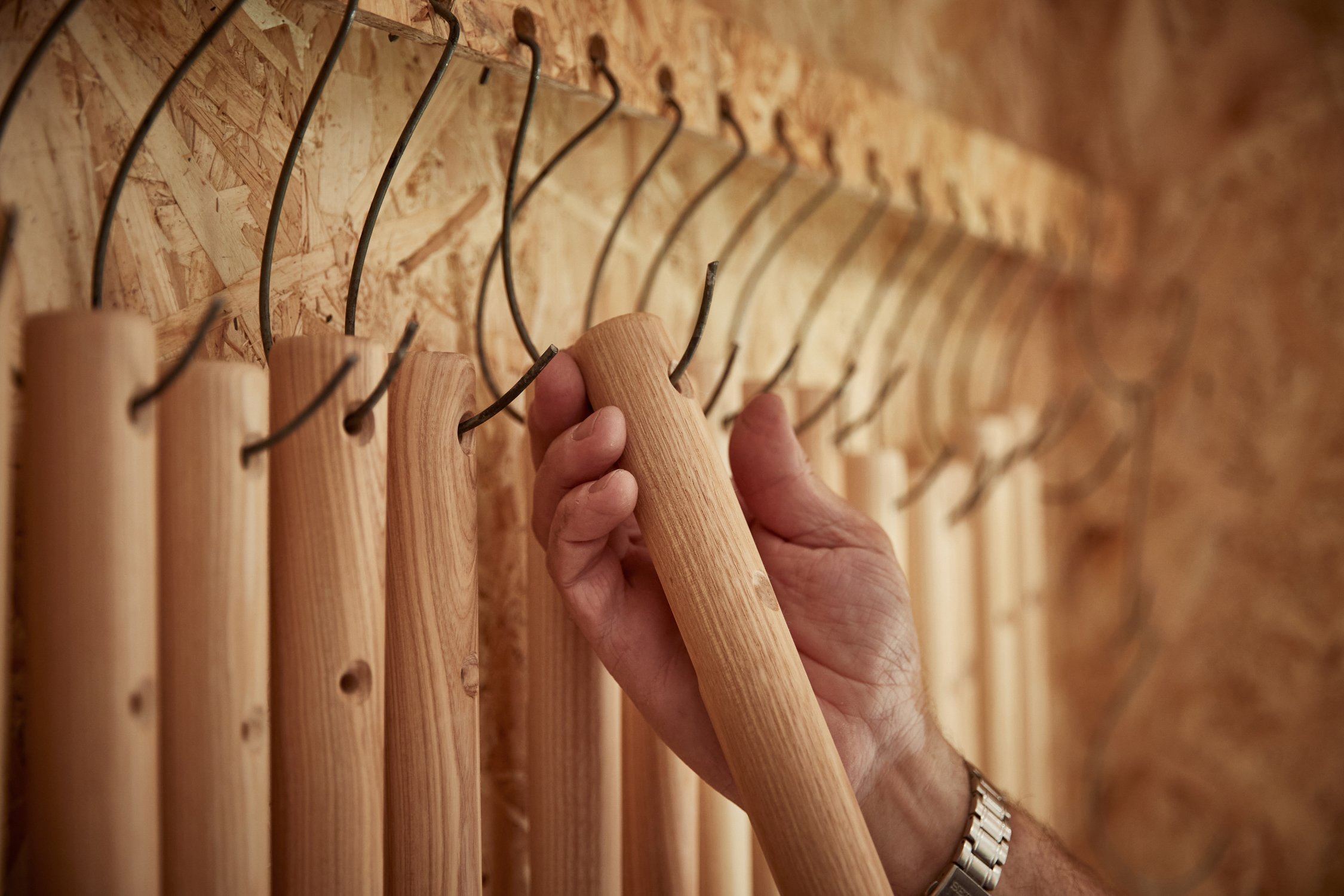
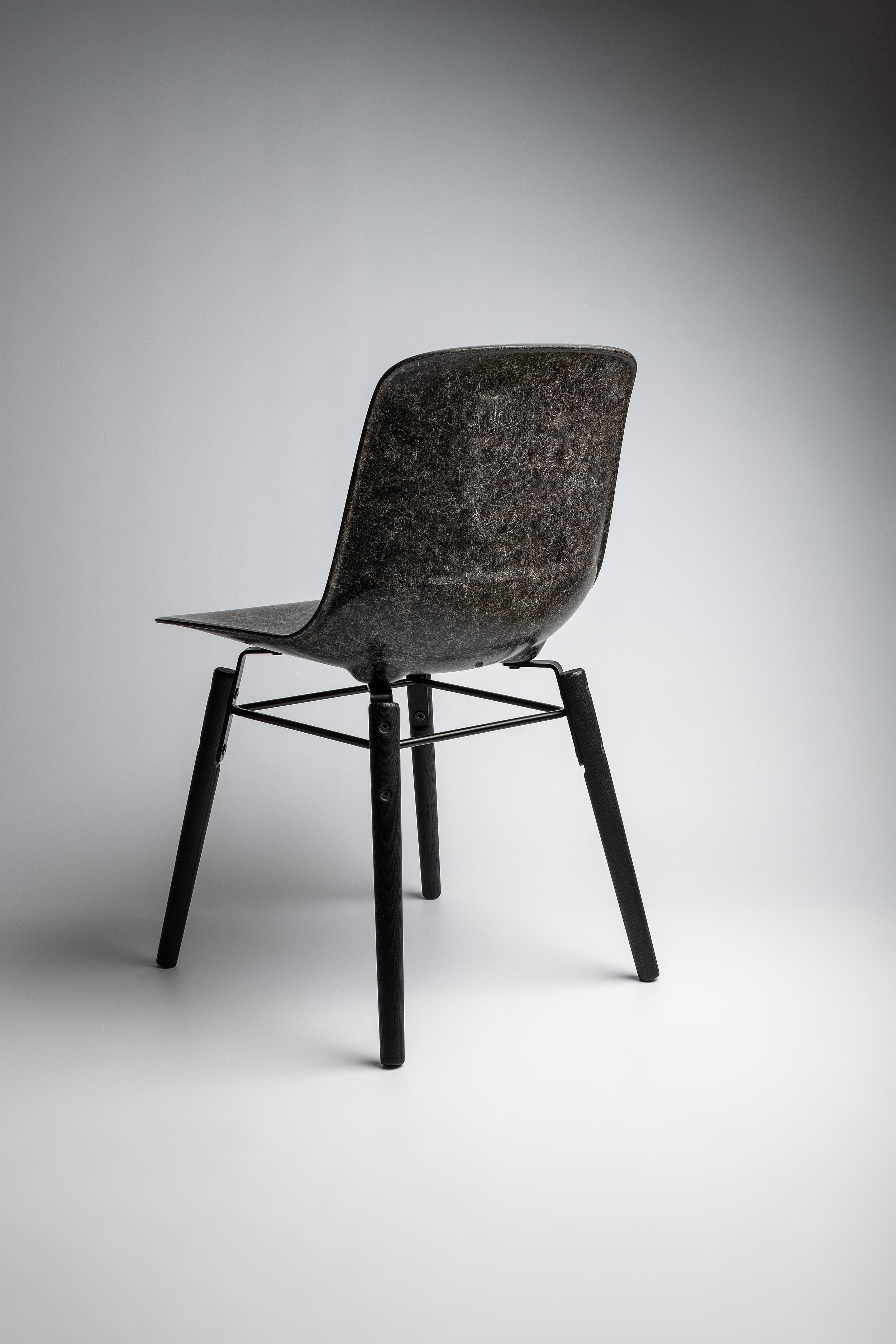
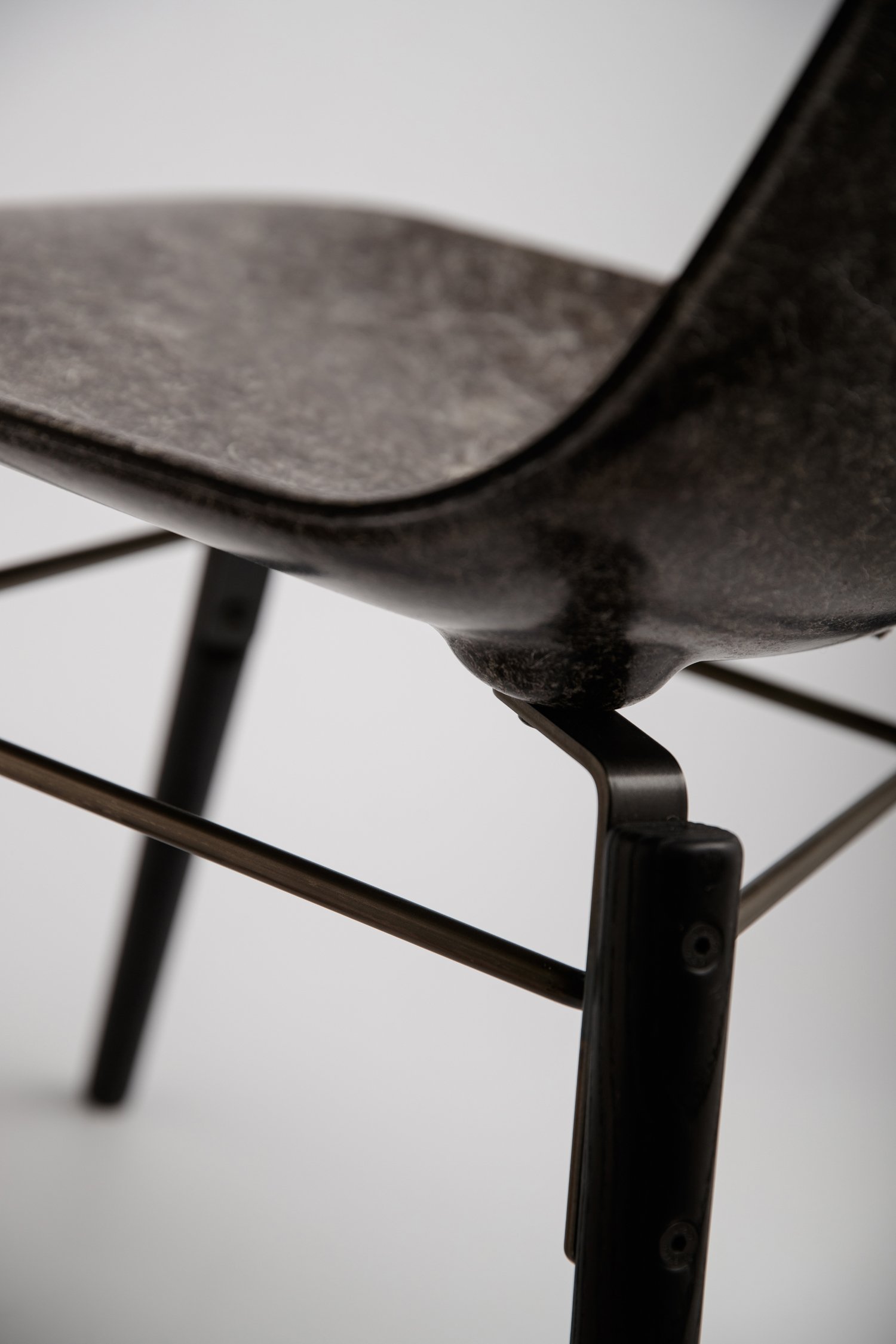
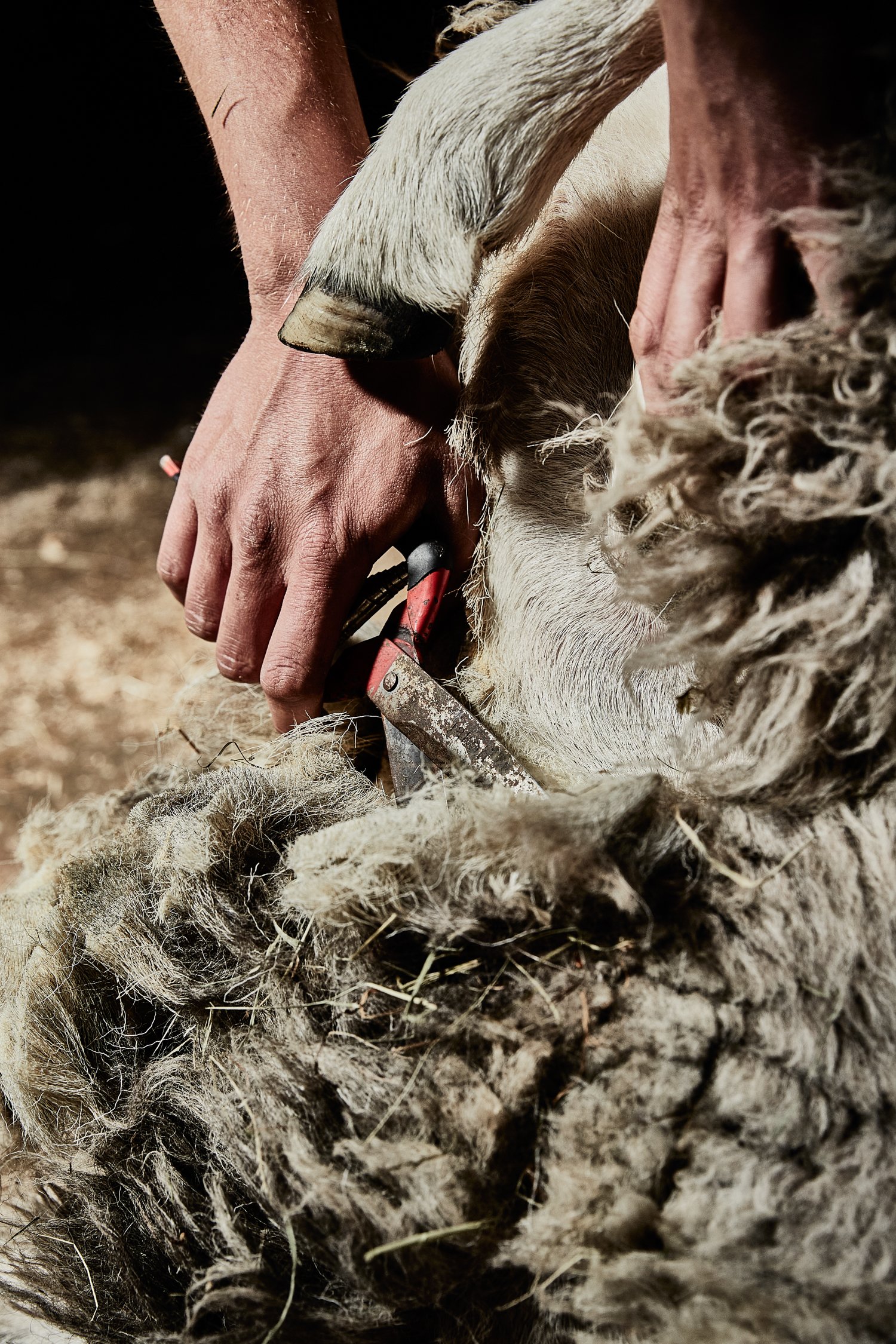
And with sustainability at the forefront of our mind, we are aware of every element that goes into our design. The wool we use is from the Herdwick sheep, a hardy breed whose fleece is seen as a by-product, but to us is a fleece in which we see beauty and soul - and that tells the story of Solidwool. And it is with our Hembury chair where we see this awareness towards materials and where they come from. Our wooden legs are made using sustainably sourced British Ash hand-turned in Somerset, and the frames are made using recycled steel expertly crafted in Peterborough. Each seat of our Solidwool chair is carefully shaped and hand-finished, with every Hembury assembled by a member of our small team. 

The making of Solidwool is a carefully considered process; with each step unrushed and methodical. We are here to master the craft of sustainable design, and that includes a patience and appreciation towards our materials and the environment from which they come. From the beginning of Solidwool, we set out to make design with beauty, conscience and soul - all of which goes into its creation from the people and materials involved in its making.



Comment
Waste wool

Inspired by waste

September 16, 2022

The ethos for Solidwool is simple; a love of design, a passion for wool and a commitment to creating beautiful materials without compromising the planet.

And with the current climate, it is our planet that we are committed to looking after. The importance of where materials come from along with an awareness of how they are used were the building blocks from which Solidwool was created. We are proud to take a natural, sustainable and beautiful fibre - British Wool - and turn it into modern, intelligent design that is kind to our planet.

Solidwool_Hembury_Black+Frame%2BScorched+Ash4.jpg
Solidwool_Hembury_Detail_2169 MR.jpg

 ‘There is an increasing awareness of sustainability, and both consumers and the interiors industry are listening and moving forward. Many companies are making products from unwanted or recycled materials, as well as reviewing production methods, and we’re proud to be leading the way by giving customers an innovative, beautiful product with conscience and soul.’

The wool we use is from a breed called the Herdwick, found in the Central and Western Lake District. This fleece is coarse, wiry and wild and is often overlooked - considered a by-product of sheep farming. We believed we could help change this, and it inspired us to turn the way we work with wool on its head - to transform this unwanted wool into design with conscience, beauty and soul. 

The importance of material intelligence and innovation in contemporary design is something that we want to talk about. And we are thrilled that at the Material Matters exhibition this September, Solidwool will be there taking part and doing just that.

Solidwool_LakeDistrict 00124 MR.jpg
Solidwool_Making-Hembury_020 MR.jpg
SolidwoolMarch2018_72ppi (2014 of 77).jpg
Solidwool_LakeDistrict 00140 MR.jpg

Material Matters is an exciting new fixture on the London design calendar, providing a platform that celebrates the importance of materials, showcasing inspiring and innovative ways of using them - and how these can shape our lives. This new design fair brings together manufacturers, makers and organisations with fascinating material stories to tell. We will be there with over 40 other exhibitors - from product design and lighting to metal, ceramics, textiles and technology from 22nd to 25th September at the Bargehouse, Oxo Tour Wharf, London. Register for free now and come and say hello!

Luckily, we are not alone in our mission to create beautiful design that is kind to our planet, and there are a number of other like-minded companies paving the way to turn waste into considered design that is also beautiful. Read on to discover some innovative designers who are championing sustainability and why material really matters.


Elaine Yan Ling Ng / The Fabrick Lab

Hong Kong-based designer and innovator, Elaine Yan Ling Ng, initially trained as a textile designer and weaver at London’s Central Saint Martins, her work encompasses traditional craft and cutting edge technology. Most recently, she has been working with design brand, @nature.squared, on CArrele, a range of tiles made from waste egg shells, a by-product of the food industry.


Smile Plastics

At Smile Plastics they have produced a 100% recycled and recyclable sheet material that uses anything from old chopping boards to yoghurt pots in their vibrant, fun designs. With goals to reimagine materials and to challenge ideas about “waste” and the system that creates it.


Stuart Haygarth

Stuart’s work revolves around everyday objects, creating order and symmetry out of randomness and waste. The process of collecting and collating materials is as important in his work as the transformation from material to an object of value or beauty. It is about banal and overlooked objects gaining new significance and meaning.


Alkesh Parmar

Working with materials such as orange peel for more than 15 years, he is a pioneer in the use of local waste material for over a decade. Transforming waste citrus peel into a versatile new material to produce final products that are environmentally friendly, sustainable and biodegradable.


 There are many more fascinating material stories to be discovered at the Material Matters exhibition - Register for free here.

Source: https://materialmatters.design/The-Fair
Comment
Prev / Next

Flock / Gather as the story unfolds.


Previously...

Featured
June 23, 2026
An Unexpected Combination of Shear Perfection
June 23, 2026
June 23, 2026
April 15, 2026
Case Study: Custom Furniture For Paul Smith Retail Stores
April 15, 2026
April 15, 2026
February 13, 2026
Case Study: SouthSpace - Creative workspace
February 13, 2026
February 13, 2026
March 4, 2025
Case Study: Konk Furniture
March 4, 2025
March 4, 2025
December 29, 2024
Innovative Projects: Uberfrank Guitars
December 29, 2024
December 29, 2024
December 10, 2024
Festive Gathering
December 10, 2024
December 10, 2024
October 31, 2024
Case Study: Solidwool Ceramics with Steve Cook
October 31, 2024
October 31, 2024
June 7, 2024
Introducing Solidwool Colour
June 7, 2024
June 7, 2024
February 2, 2024
New product: Solidwool Placemats and Coasters
February 2, 2024
February 2, 2024
April 28, 2023
First Look: The Stacking Hembury
April 28, 2023
April 28, 2023